Showing posts with label YOUR NATURAL FOOD COACH Newspaper Articles. Show all posts

2012-06-08

Nine Healthiest (and easiest) Vegetables that You Need in Your Prairie Garden


Nine Healthiest (and easiest) Vegetables that You Need in Your Prairie Garden


 1. Radish


 The radish is one of the easiest vegetables to grow in your garden.
It thrives in all climates, all year round in temperate zones. The radish mature quickly, from seed to eating in as little as 4 or 5 weeks and  rarely have any pest or disease problems.
 Radishes have a history of being effective when used for liver disorders.
They contain a variety of sulfur-based chemicals that increase the  flow of bile.
Helping to maintain a healthy gallbladder and liver, and  improve digestion.

Radishes also contain a large number of cancer-protective properties.
All variety of radishes are an excellent source of vitamin c with the leaves containing almost six times the vitamin C content of their  root, as well as being a good source of calcium.


 2. Leafy Greens: Kale, Spinach, Swiss chard, Lettuces


 Kale is wonderful in the prairie garden as it is not fussy about soil conditions and very rarely troubled by pests.
 It is tolerant of both heat and frost and has been harvested in the  snow.
Kale is a vegetable that has reached superfood status because of its nutrient qualities including vitamin C, A, K and very high amounts of calcium.
 It has strong anti-inflammatory properties, is known to be effective against cancers, and strengthens cardiovascular health.

 Spinach is easy to grow and thrives in cooler temperatures.
It is one of the few leafy greens that tolerate partial shade.
 However, it must be watered well during hot spells.
 Low in calories and high in vitamins, spinach is one of the most nutrient-dense foods in existence.
One cup of this vegetable contains far more than your daily requirements of vitamin K and vitamin A, almost all the manganese and folic acid your body needs and nearly 40 percent of your magnesium requirement.
It is a good, very good or excellent source  of more than 20 different measurable nutrients, including dietary fiber, calcium and is 40% protein.

Spinach contains more than a dozen individual flavonoid compounds,  which work together as cancer-fighting antioxidants.
It has also been shown to help fend off macular degeneration, a major cause of blindness in older people.

Swiss Chard is also relatively problem free to grow and matures  early. As with the others, it is very high in antioxidants and nutrients while being low in calories. Swiss chard has had very positive affect on colon
 cancers.

 Lettuce Greens generally get more nutrient dense as they get darker.
 Romain lettuce is the most nutrient rich lettuce and is an excellent source of vitamin A, folic acid, vitamin C, B1, B2 and minerals  chromium and manganese.


3. Peppers and Chillies


These plants are also related to each other and enjoy the same growing conditions.
 They are a warmer climate vegetable, but do well in Manitoba if transplanted after the risk of frost is past. They need 8 hours of  sun a day but grow well in a pot against a south-facing wall.

 Peppers are packed with several nutrients. They are a good source of vitamin C, thiamine, vitamin B6, beta-carotene, and folic acid.
 Also, they contain a large amount of phytochemicals that have exceptional
 antioxidant activity.
 Red bell peppers also contain lycopene, which helps to protect against cancer and heart disease.
 Bell peppers have been shown to be protective against cataracts.
 Peppers have also been shown to prevent blood clot formation and  reduce the risk of heart attacks and strokes.

 Red chillies have the most vitamin A, and all chillie peppers provide fiber, potassium, folic acid, and iron.

 Capsaicin, only found in hot peppers, is the active ingredient that  gets the most recognition.

 This is the pepper ingredient acknowledged for raising endorphin  levels and improving mood.
Capsaicin, is a vasodilator, meaning it causes  blood vessels to widen. This enhances circulation and increases body temperature, which then raises metabolism. This effect also reduces body fat accumulation.

The capsaicin reduces pain by depleting a chemical that transmits pain signals to the brain.
Because of this, capsaicin can be found in many topical pain relieving creams

 You can harvest capsicum at any time, but if you wait for the fruit to turn red (they all start out green) they have much higher amounts of vitamin C. If you want to dry some just leave them in a dark, dry,  airy
 place for several weeks. They will store well in glass jars for many years. Remember to wash your hands thoroughly and never touch your eyes after handling chillies.


 4. Beets


 Beets are very simple to grow, and are one more superfood you should  be including in you diet.

Famous for their ability to cleanse the blood, beets contain calcium, sulfur, iron, vitamin C, vitamin B, magnesium, copper and  phosphorus. They are high in minerals which are the building blocks for cells,
strengthen the liver and gall bladder, the lymphatic system.

 Beets contain a wealth of fiber -- half soluble and half insoluble.
 Both types play roles in fighting fat. These colorful root vegetables contain powerful nutrient compounds that help protect against heart disease,osteoporosis, birth defects and certain cancers, especially stomach
 and colon cancer.

Don’t waste any of your beets this summer. The beet greens are even richer in nutritional content than the beetroot containing higher amounts of potassium, calcium, iron, vitamin C and A.


5. Tomato


Tomatoes are perhaps the most popular vegetable for the home gardener. Even those who don’t usually plant a garden have a tomato plant or two in a pot on the porch or tucked in the flowerbed.

One of the most well-known tomato benefit is its abundant Lycopene. Lycopene is a vital anti-oxidant that helps in the fight against cancerous cell formation as well as other kinds of health complications and diseases.

Cancers such as prostate cancer, cervical cancer, colon cancer, rectal cancer, and cancers of the stomach, mouth, pharynx, bladder and esophagus have all been proven to be staved off by high levels of Lycopene.

Tomatoes contain a lot of vitamins A and C. Nutrients in tomatoes have been known to help diabetics to keep their blood sugar level under control, improve eyesight, lower blood pressure and cholesterol levels. Tomatoes have been shown lessen the risk of gallstones and kidney stones and contribute to healthy bones, skin and hair.


6. Asparagus


Asparagus is ideal for prairie gardens as it does best in cool, northern climates. Virtually labor free, it grows as a perennial, reproducing every year, and producing a harvest early in the spring.
Asparagus provides a truly unique combination of anti-inflammatory nutrients. These anti-inflammatory nutrients have been noted to have positive effects on arthritis, rheumatism, and ALS, also known as "Lou Gehrig's Disease."

Asparagus provides a wide variety of antioxidant nutrients, including vitamin C, beta-carotene, and the minerals zinc, manganese, and selenium It is is rich in protein but low in calories and carbohydrates. It is an excellent source of potassium, folic acid, vitamins A, C and K, and traces of vitamin B complex.

A good source of dietary fiber, asparagus is also rich in niacin, phosphorus and very low sodium and has the ideal calcium and magnesium balance of 2:1. The high alkalinity of vegetable is effective in reducing the acidity of the blood and helps cleanses the tissues and muscles of waste, break up kidney stones and regulate blood sugar.


7. Onions and Garlic


Both onions and garlic are simple crops for the prairie gardener, easy to grow and typically trouble free. They take up little space and can easily be tucked in a sunny spot.

The health benefits of these flavor favorites are endless because of their powerful anti-septic and anti-bacterial properties.
Both garlic and onions help to protect against cardiovascular disease, respiratory concerns, diabetes, and a variety of cancers.

Garlic produces cells in the blood that are deemed "natural killers" and help to fight off many different kinds of infections as well as tumors. Garlic lowers blood pressure and it decreases the risk of blood clots, which contribute to many strokes and heart attacks.

Garlic is best eaten in its raw state and medicinal properties are at their height when garlic is cut up, sliced up or chopped. Cooking garlic, especially for too long or at high temperatures is responsible for destroying some of the healing compound known as "allicin".

Onions, like garlic, help to increase the HDL cholesterol in the blood.
Onions also help to decrease the bad cholesterol or LDL in the blood and increase the ability of the blood to dissolve blood clots.
Onions lower blood sugars and prevent spasms of the bronchial tube associated with asthma.

Onions decrease the risk of many different types of cancers. A compound known as quercetin, in onions, is extremely powerful when it comes to fighting cancer.
Garlic and onions are also good source of the antioxidants beta-carotene and vitamin C, vitamins B, potassium and selenium.


8. Cucumbers and Zucchini


Prolific and mass-producing, Cucumbers and zucchini never fail to perform.
However, to be warned they do require a lot of room to weave their magic.

Fresh cucumbers are mostly composed of water, however they still pack a lot of nutrition.
The flesh of cucumbers is a very good source of vitamins A, C, and folic acid.
The hard skin is rich in fiber and a variety of little heard of, but necessary minerals including magnesium, molybdenum, and potassium.

Cucumber is an excellent source of silica, which is a trace mineral that contributes to the strength of our connective tissue.

Zucchini, also high in water- 95%, is also has high levels of potassium, carotenes, and vitamin C.
It also appears that the anti-cancer effect of the simple zucchini rival many of the more popular cancer fighters.
As many people are suffering for dehydration on a cellular level and don’t even know it, an increase in both cucumbers and zucchini should be a very welcomed addition to the dinner table.


9. Broccoli


Although vulnerable to insects and cutworms, I’ve included broccoli as an easy produce to grow in Manitoba, because if I could grow it, anyone can! Broccoli plants are quite hearty; withstanding light frost and prefers cooler weather.
Broccoli tends to "bolt" in hot Manitoba weather, which means that it flowers, blooms and goes to seed too early.
The best way to prevent broccoli flowers from happening too early is to keep the soil the broccoli is planted in cool with a heavy mulch and frequent watering.
Also planting the vegetable out of the direct sun, perhaps beside a taller crop, may prevent bolting and keep the ground cool.

Broccoli is a cut and come again vegetable.
Meaning that when you cut the main head, other smaller heads will grow.
Good news is that these side heads will take a little longer to bolt and flower.
But broccoli is definitely deserving of that extra attention in the garden. Because of its goldmine of qualities it is being called a true miracle food.

Ounce for ounce, boiled broccoli has more vitamin C than an orange and as much calcium as a glass of milk, according to the USDAs nutrient database. One medium spear has three times more fiber than a slice of wheat bran bread. Broccoli is also one of the richest sources of vitamin A of all produce.

Broccoli is also proving to be a natural wonder-drug for many types of cancer, including breast cancer, cancer of uterus, prostrate cancer, cancers of internal organs like lungs, colon, liver, kidneys and cancer of intestines.

But it is particularly good for breast cancer and uterus cancer, as it removes extra estrogen from the body.

2012-05-09

How to Shop for Supplements


Picking your Powders Part 2 ~ Selecting Supplements


Rebuilding and retaining your health can become a confusing path after you 
step out of your kitchen into the grocery or health food store.
The market is flooded with "good-for-you" products.

Where to start? What to buy? How to know?

Todays article is the second in a series on learning to pick your powders.
The right powdered drink or shake is a fabulous addition to any lifestyle;
easy, fast, and nutritionally dense.

Once you understand the differences inside the packages and what to look
for, you will have an added edge to your diet.
Last time we digested the contents in the "protein drink", and why you
should or should not be using protein powders.

Now, we look at the bonuses that come with downing a nutritional
supplement drink.

Do We Even Need a Nutritional Supplement?


One definition of suppliment is "a nutrient or phytochemical supplied in
addition to that which is obtained in the diet."
The unfortunate truth is a "balanced diet" will not provide all you need
for a happy healthy you, any longer.
The combination of soil depletion, genetically modified produce, hormones,
antibiotics, pesticides and other chemicals has reduced our food to a
shadow of itself only a generation ago.
According to a Rutgers University study, it now takes 19 ears of corn to
equal the nutritional value of just one ear of corn grown in 1940; 80 cups
of today's supermarket spinach to give you the same iron you'd get from a
cup of spinach grown 50 years ago.

There is less than half the protein in today's wheat as in the wheat our
grandparents ate.

Do we need a supplement? Absolutely.

You body is working harder to ward of more contaminants and disease now
than ever. It needs all it can to run as it should.


Pill Popping


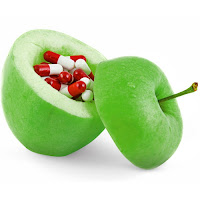
So why should we drink our nutritional supplements instead of popping a
once-a-day pill?

In nature, nutrients do not exist alone, they are found bound with other
nutrients and vital molecules. Many work together, and need each other.
When using a supplement, the closer the supplement is to its natural
form, the better off you will be.
Nature knows exactly how to package things up precisely.


Most pill supplements are now made from synthetics.
At their best, they are only 50% as effective as vitamins in their natural
forms.
At their worst, they actually may carry harmful side effects.

It is possible to find higher quality vitamin/mineral supplements that use
vitamins derived from natural sources and not synthetics.

However they still will not be complete. Science will never perfectly

replicate the beautiful rhytm and relationship that nutrients in their

natural enviroment have.
Your body absorbs liquid vitamins better than its pill counterparts.
Actually, approximately 98 percent of the vitamins and minerals presented
to itself in a liquid form will be absorbed, while only 3 to 20 percent of
the vitamins in a pill is properly absorbed.

Moreover, liquid vitamins bypass digestive processing and go directly
into the bloodstream within minutes.

All the more reason to be drinking your nutrients.
So, what is the best nutrient drink to be stirring up?


Chug a Mug of Green


When you go shopping, look for "green" drinks or "superfood" drinks.
They are easily found in any health food store.

These will be different from the protein powders, although many supplement
drinks will have protein included.

Nearly every major health organization recommends eating five to nine
servings of fruits and vegetables per day to protect your health. But
statistically, less than 9% of North American adults do.


Green drinks are concentrated whole food formulas, which use dehydrated or
"flash dried" fruits and vegetables as their main ingredients.
The plants used have detoxifying and cleansing properties, and are optimum
sources vitamins, minerals, trace minerals, essential fatty acids,
chlorophyll, fibre, enzymes, antioxidants and other important nutrients.

You will drink a variety much larger than any you would ever put on your
plate, with one scoop of a greens drink,on average, equivalent to five
servings of veggies.


By letting "green" supplement drinks become part of your daily diet, you
consume your veggie benefits and get all those nutrients in a form that is
easy and quick for your body to use.


If this is your first experience drinking vegetables, start slow.
Although, there is a large selection of flavors available, these drinks
have a unique taste all to themselves, and may take some time and courage
to get use to.

Believe it or not, you can learn to love them and how they make you feel.
I have and I can notice a difference in my day, if I skip my daily drink.

Green drinks feel just like life in a glass.

The do's and don'ts for green supplement shopping are the same as for the
protein powders.

Make sure you choose the label that claim "organic only" and "no GMO"
produce.

Also avoid the ingredient list that includes artificial sweeteners,
including Splenda, and fillers such as, non-stabilized rice bran and
lecithin.


2012-01-23

8 Ways to Regroup After a Holiday Overload

January is back. 

Many of us are secretly rejoicing that the holidays are over for another year.


Once again, we have probably over done it. 
Festivities and feasting has left us feeling very weighed down and tired.

But January is traditionally a time of fresh starts and resolutions.  

These quick tips and easy changes can help get you regroup after a holiday overload and have you moving and grooving in time for Spring


 1. Drown Your Sorrows~

While not exactly as it sounds, however, some of the reason you may be feeling sluggish after the  holiday is because you need a good flushing out.

Your body is more than two thirds water.
 Not coffee, not pop, not eggnog… water.
It is easy to forget that during the holiday.


Water is needed for all proper cell and organ function and for elimination of collected waste. 

Start reaching for the glass of water before you reach for anything else.

2. Veg Out~

How often do you binge on salads over the holidays?  Fruits and veggies get pushed off the plate for much more tempting delicacies.

When the veggies get pushed to the side, so do the nutrients and all those intricate ingredients that make your body work properly.
If you body isn’t getting its best fuel, its not going run its best for you.  Simple as that.
 

Making your plate at least 75% veggies can transform the staunchest couch potato


    3. Veg Out Naked~  
     
    While you are choosing more fruits and vegetables, make sure as many as possible are raw.
    Natural enzymes in the veggies can be altered or destroyed with heat and you would like to get the best bang out of every bite.


    Speaking of your bites… chew, chew, chew and then chew slooooowly
      Raw fruits and veggies need to be broken down very well for you body to utilize them efficiently.


      4. Watch the Clock~
       
      Yes, you have to eat more greens but don’t graze.
      Holiday time tis the season for nibbling non-stop.
      More food (and calories) slide down without ever knowing by popping bites here and there.


      When we graze we don’t chew properly therefore we don’t digest the food’s nutrient potential properly.
      As well, your body doesn’t send “full signals” to your brain when you constantly munch.
       Blood sugar levels can shoot up and down like a roller coaster creating even more food cravings.

      Not only does grazing make you feel lazy, your bowels get lazy too. 

      With only a little amount of food at any given time in your sewage system, there is not enough bulk to move everything along properly. 
      Stuff just sits, like a rock in your belly, weighing you down and creating fatigue. 

      Three meals a day with 2 light snacks is more than enough to keep you going. You won’t starve. I promise.


        5.  I Really Mean Watch the Clock~

         Stop eating 3 hours before you go to bed.  Not a nibble.
        A drink of juice or tea is just fine but nothing solid.


        Your body shuts down for repairs and rejuvenation while you sleep, but it can’t do that if its busy trying to pack away the bag of potato chips you just ate an hour earlier.


        Your body will store all late night snacks as fat. 
        I repeat… Food eaten before bed will go directly to your hips, waist and bottom, or sit fermenting in your gutt making you wake up groggy and unmotivated.


        6.Yes, You Have to Get Off the Couch~  

        Holidays are over. You need to move.  Be wise about it, however.  
        How many of us have invested in gym memberships, expensive exercise equipment and gimmicky programs right after the holidays?

        Instead, try starting with walking 15 minutes every day.
        Manitoba weather right now is scrumptious and the days are getting longer and brighter.


        So get out there and go.

          Movement will get a stagnant lymph system pumping and flush debris out of your body.

          Movement also causes you to inhale deeply compared to the shallow breathing we do when we are laying around.
          Your body needs oxygen to function, the more the better.


          Oxygen is the most important element required for human life and the key to vital health.
          Every body activities require oxygen. 
          It is central to metabolism, circulation, respiration,
          digestion, assimilation and elimination.

          For those of you who don’t have the energy to move, I’ve got good news and I’ve got bad news.
           (Bad news) If you don’t move you will stay perpetually tired, but (good news) as soon as you start to move you will discover a wellspring of energy.


          Something similar to your car battery recharging itself the longer it runs.


          7. One Thing at a Time~

            New Years brings many good intentions.
            But if changing your health is part of those great intentions, do it with some strategy. 
            Don’t take on everything at once.


            Your health and weight got the way it is one day at a time, one bite at a time. 
            Don’t try to reverse everything immediately overnight.
            The enthusiasm wears off quickly and your body will protest very loudly.


            Pick one or two ‘do-able’ goals and do them well.

            Invest time and make a quality commitment. 
            Twenty-one days to establish a firm habit, they say.
            When your new lifestyle change is well grounded you are ready to step into another new change.

            8. Get Some Cheerleaders~


              Whether your undertakings are going to be a marathon change or just a short sprint you will need a cheering section.
              Surround yourself with people who will speak life and encouragement to you.


              It’s easy to find those who are very happy doing nothing except complaining about their weight and health. 


              Leave them in the dust.

              You will need to find someone who will walk the discouraging parts of this journey with you, keep you focused on your goal and celebrate your victories

              2011-10-09

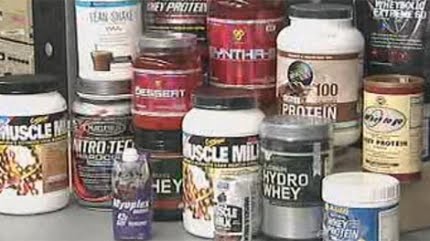
              How to Shop for Protein Powders

              Picking your Powders~ Part I
              The Power of Protein


              Quick powdered drinks are becoming a more familiar sight on the grocery shelves.


              They are formulated powders that you mix with a glass of water or juice
              or whatever you fancy, their variety seems endless and the claims they make vary just as much.

              These liquid concoctions are being consumed for mental pick-me-ups during a mid afternoon slump or a speedy meal-in-a-glass on the run.

              They are drunk to lose weight and drunk to gain weight.

              They are manufactured by everyone from health food gurus, to the breakfast cereal companies to the department stores.

              But as you look at the punch behind the product, you find they are all a little different.

              Here are a few quick tips when shopping for your perfect powder.


              Powders , Powders EVERYWHERE!

              Which Powder is What?


              Firstly, know what you are after.


              Generally, there are 3 typical powders for you to sort out while you shop;
              the protein powder, the weight loss/ meal replacement drink and the nutritional supplement.

              Each will be formulated with a singular purpose with each having different results on your beautiful bod.

              Over the next few articles, you will get a crash course on these handy beverages starting, today, with the protein powder.


              OK, So What's The Protein All About?


              Proteins are made up of amino acids, which are often referred to as the building blocks of life.


              They build muscles, blood, skin, hair, nails, and are necessary for many internal functions and important in body repair.


              A human body does need protein daily, as it does not store excess protein.

              Obviously, as proteins have been the key to bulking up muscle, protein powders have been a staple for weight lifters and athletes.

              But protein powders are also a favorite among vegetarians.


              As well, they are being taken as a successful weight loss protocol and healing elixir.

              Protein powders have also found a market as a brain-fog buster for working folk and students, alike.


              What In The World Is In This Stuff?


              A big key in picking your protein powders is an understanding of the different sources of proteins, and knowing which ingredients you want for yourself and your body, and making an aware decision.

              There are excellent sources of both animal and vegetarian proteins
              available.
              All can be very potent for what you need and able to do what you wish.

              Vegetarian sources that are high in easy to absorb protein are pea protein, brown rice protein, alfalfa, macca root and cranberry protein.

              My personal favorites have become hemp and chia seed.
              Hemp and chia seeds have the most complete edible and usable protein in
              the vegetable kingdom.
              Hemp protein contains all known amino acids, including the essential ones
              adult bodies cannot produce.
              They also have the added benefit of natural essential oils.

              All vegetarian sources of protein bring with them additional nutrients found in the plant and a component of fiber.

              Soy, which held the consumer market as a vegetarian super protein, has fallen from its perceived healthy glory.


              Unfortunately, almost 90% of soy produced is genetically altered and chemically treated and soy has now been shown to cause havoc with your hormones.

              In light of other clean and powerful natural proteins rising to the forefront, soy can easily be avoided.


              Carnivores Drink Protein Powders Too!


              Animal sources of protein have dominated the powders as long as there has been protein powders to blend.

              Dairy sources include whey protein and casein proteins, both recognized for their high amino acid level.
              Other sources you may find on your powder’s label could be egg and collagen.

              Your protein powder label will often find many of these sources blended together to compliment each other.
              That way you benefit from full spectrum of proteins, absorbing at varying rates into your cells and tissues.


              Read The "Secret Ingredient" List


              Now this is what you want to be on the look out for when shopping for your protein powders.


              A drink is only as good as the sum of its ingredients and the source of your ingredients will always be as important as the ingredients themselves.

              Many protein powder contains an array of questionable ingredients such as aspartame, Splenda, saccharin, fructose and artificial colors


              Also avoid products with refined carbohydrates such as sugar, dextrose, fructose, sucrose, corn products or brown rice syrup.


              Stay clear of labels with vegetable oils.


              Secondly make sure that the powder that you select is mostly protein.


              The cheaper powders have a lot of carbohydrates and fillers, and if you are shopping for protein, then its protein you want to get.


              For a quick comparison, the favorite powders in my cupboard range from
              15-20 grams per serving.


              With both animal and vegetable sources make certain your label says organic and non-GMO products, other wise you may be absorbing hidden health stealing chemicals and doing more harm than good.


              Protein Powders are Cool. But Do I Need Them?


              For anyone considering that protein powders may be your next new thing, take the time to consider your needs and lifestyle.


              Ingesting more protein than your body needs is not a small matter.

              The average American already consumes about fifty percent more protein than the recommended daily amount.

              Too much protein can strain your body’s digestion, age you prematurely and can cause significant harm in the long run.

              And for anyone considering protein as a weight loss regime, also remember that the excess protein your body does not use is not stored as protein.

              The maximum muscle mass a body can typically build in one week is about one pound; any extra protein is converted to fat.

              Yes, athletes and those with a regular strenuous lifestyle require more protein than many of us; the body’s need for protein is proportional to the increased calories burned with exercise.

              Along with physical activity, the amount of protein required, does vary on many factors, including body weight, age, health, with growing children and pregnant women requiring more.


              As a general guideline, the recommended dietary allowance for protein for adults is 0.8 grams per kilogram of body weight per day.

              2011-07-26

              Rebounding Back from Cancer


              The statistics hit close to our homes and hearts; every 56 seconds some one dies from cancer, and according to the National Cancer Institute, all men in North America (living past the age of 70) have a 1 in 2 chance of
              getting cancer before they die and for women, it's 1 in 3.

              More than 50% of the population will be diagnosed with cancer during their
              lifetime and the percentage is steadily climbing.

              So although cancer awareness, research and funding is as aggressive as it
              has ever been, it appears that so is cancer, itself.

              Could it be because cancer prevention, education and treatment, is still more “grass-roots” than we think?


              It still takes more personal responsibility then contributing a few dollars to the cause and leaving it in someone else's hands.

              The first steps to the beginning of “the cure” starts with accurate information, brave personal choices and consistent life changes.

              The most successful anti-cancer/ after- cancer strategies are aware and pro-active lifestyles.
              A lifestyle that consist largely of clean, low-processed, nutrient-dense foods and constant activity.

              I’ve written alot about what you should be tweaking in you diet here in this column.


              But today I would like to introduce you to the simplest exercise which is, by far, your body’s best bet in the war against cancer .

              It is an exercise that is suitable for all ages, even those who are immobile.


              It is not just low impact, but NO impact, and only needs mere minutes a day.

              Rebounding grew to superstar status in the 70’s, but is becoming
              re-noticed by a new generation.

              It is the exercise that NASA itself has called, the perfect exercise.

              Rebounding consists of gentle bouncing on a special mini-trampoline.


              The basic movement of rebounding, called the "health bounce," is so simple your feet don't even leave the mat.


              ( Buyer beware! There is an important differece between the cheaper, foriegn-made mini-trampolines that are sold in department stores and quality rebounders. The cheaper mini-trampolines risk damaging your ankles, knees and back because they often don’t provide a proper bouncing mat, proper height from the the ground, and necessary 4-inch long
              springs. )


              The results of rebounding on the entire body is phenominal, but of particular interest is its attack on cancers.
              This is because rebounding is the most effective stimulator for your lymphatic system around.

              Your lymphatic system is the major dumping ground for toxins and waste
              products.
              It is a highway that specialized cells travel through countless vessels to flush diseased and damaged cells, destroying the danger and bringing in nutrients.

              While the circulatory system and blood is kept in motion by a pumping heart, for example, your lymphatic system has no pump at all.


              Instead it completely relies on you moving to keep it flowing.

              Without adequate movement, the cells are left stewing in their own waste products and starving for nutrients

              Poor lymph flow is common in sedentary people; this is one reason why less active individuals are more susceptible to illness.


              Rebounding moves the lymph along as much as 15 to 30 times more efficiently as when the body is at rest.

              But even better is that rebounding will cause an increase ,as much as three times, the number of white cells circulating through the body, particularly neutrophils, which are one of the white cells responsible for destroying cancer cells.


              And rebounding will do this all within 2 minutes of engaging in the activity.


              Not only does rebounding increase the mobility (15 to 30 times more activity) of the disease eating cells but it also triples the number of those cells.


              But there is still another defence against cancer!

              Rebounding also significantly increases the oxygen level in the body.
              While healthy cells die in the absence of oxygen, cancer cells are opposite.


              Cancer seems to thrive in an eviroment with low oxygen levels.

              Rebounding floods your tissues with oxygen, making it less appealing to cancer cells but inviting to the growth of healthy cells.

              With a good quality rebounder, cancer gets a triple whalop in less than a
              few minutes with no perscriptions and no side effects.

              2010-10-04

              For the Love of Food~ Midnight Munching and Snack Attacks~ part 2

              Understanding Binge Eating Disorder & Night Eating Syndrome


              Oh we do love food!

              It has become so much more than a necessity to grow and build these bodies through which we live life.
              It has become an intricate enhancement to our lives.
              We celebrate with food.
              We comfort ourselves over food.
              We fellowship around food.
              Food entertains us and has become our hobby.

              For many, food has not just become an enhancer of life but has become a dictator in their life.

              And for still others, it has simply become their life.

              We are looking into the dark secrets of our food romance: the addictions, the cravings, and the compulsions.

              By touching on these topics, my prayer is for those who struggle silently,
              right here in our community, to realize they are not alone and as powerless as they may feel.

              We previously discussed the very real entity, the night binge.
              How it grabs us, and how successfully shake free from its stranglehold grasp.

              Read More

              2010-09-11

              Bringing in your Garden Bounty: Canning, Freezing and Dehydrating.


              The garden is plump and plentiful and ready to be harvested.
              The fresh fruit and vegetables ripe for the picking are packed with vital nutrients, minerals, vitamins and enzymes.

              But the fresh garden season is short and often the haul is more than we can handle at once.
              So what are the best ways to make the fruits of your labours last all winter, and which preserving method is the best bet for keeping that powerhouse of goodness intact?


              2010-08-24

              For the Love of Food~ Midnight Munching and Snack Attacks~ Part 1


              There is a ritual that goes on in thousands of households every night.
              I call it the bewitching hour.
              Somewhere in between 7 pm and 10 pm there is
              a constant lingering in the kitchen.
              Fridge doors and cupboard doors,
              swinging open and closed. Non-stop.

              Searching, but no one is certain for what, unsatisfied with what ever they devour.

              Hungry? No. Driven? Definitely

              Night cravings are the monster under the bed that seem to come out every night after the sun sets, and lead you around by your nose.
              ( Or is it by your stomach?)

              The desire can be unsatitable and overpowering.
              It seems to make no difference when and how big of an evening supper you had, or how long you
              stare at yourself in the mirror and swear “tonight will be the night” that you don’t sub come to the suggestions.


              2010-08-20

              For the Love of Food~


              What came first the Junk Food or the Food Junkie?

              I can almost hear your knuckles as they clench. I’ve seen the sweat begin to bead on your brow.
              You know its coming but the knowledge of the inevitable never seems to soften the blow.


              Yes, I, your Natural Food Coach, am going to tell you to put the junk food back on the shelf.

              I will try to convince you in every way possible that, in only a few short days, new habits will prevail; your palate will reprogram its tastes, and your health with blossom.

              I think you want to believe me. But still you will try to bargain with me. Negotiate. Some of you may even beg for mercy. For others it may be like the death of a dear old friend.

              The most common request I hear is not for advice for disease prevention or for a diet that will restore the strength and vitality of youth.
              Nope, the request I get the most of is much more primal and desperate than that,


              “Joanne, help me stop eating!”

              Whether it’s the afternoon snacking, evening munchies, emotional eating, boredom grazing, night binging, sugar smacking, junk food craving, or a car that just seems to auto-pilot itself thru every drive-thru, when food beckons, we jump.

              So what’s going on? Can it really be “just us”?
              Are we simply horrible sloths with absolutely no self-control or are there bigger monsters at hand?

              Is there another reason for bypassing the salad bar and heaping our plates with the fried rice, bright pink sweet and sour mystery balls and shiny egg rolls?

              Or are we so weak that we can’t just “say no”?

              Is it all in our heads, or is our food actually doing something to our heads?


              2010-04-05

              So What About Whole Wheat and Multi-Grains?


              So what about Whole grains?

              I'm sure by now you have heard a lot about how good for you whole grains can
              be. But when it comes to bread, what you see on the outside may not be what
              you are getting on the inside.

              A grain is considered whole when all three parts - bran, germ and endosperm
              - are present. Most people know that fruits and vegetables contain
              beneficial photochemicals and antioxidants , but many do not realize that
              whole grains also offer a fabulous source of these key nutrients including B
              vitamins, Vitamin E, magnesium , iron, proteins and fiber


              2010-02-23

              So What about Margarine and Butter


              Ah yes, margarine vs.. butter


              This is one of the most popular “so what about” and “which do you eat?” questions I get.


              Margarine, definitely, is one of the most mismarketed and misunderstood food replacement products there is.


              It is a topic that constantly needs to be brought to the forefront so you can make an informed choice.


              Particularly, as margarine is still being touted as a wise food product by the Canada Food Guide, American Heart Association, doctors and outdated nutritionists.


              Margarine was discovered in 1869 by Hippolyte Mège Mouriès, a French food research chemist, in response to Napoleon III's request for a “wholesome” butter alternative.


              The word “margarine” came from the Greek for "pearl," because the original version was hard, white, and glossy.


              It must have been less than appetizing, however, since it was made from beef fat, milk, and chopped sheep's stomachs and cows' udders, all treated with heat, lye, and pressure.


              Certainly not an appealing combination but definitely a more basic recipe than what we find offered to us today.


              Margarine limped along in popularity for many decades, while the recipe was tweaked from an animal based product to one comprised mostly of various oils.


              It stepped from the shadows into the limelight, during the First World War when butter became scarce and into its current fame as a “healthy” spread when butter got a black eye because of it’s saturated fat content.


              But do not be deceived. Margarine and butter are immensely different and the only reason they appear similar to touch, sight, smell and taste is because margarine has undergone a barrage of horrific chemical transformations.


              2009-12-02

              So What about Soy?


              I am particularly excited about this next new series we’re starting in “Your Natural Food Coach”.
              It one where I get to know you, my readers, and you get to choose your topics.

              As I get alot of questions on a variety of natural food topics, I thought what a better place for us all to get to the meat of the matter together than here.

              Ta-Dah!!! Introducing yours and mine, newest series "So, What About..."

              A place where you ask, and once a month, I try to answer in 600 words or less!

              One of the more common subjects I get asked about is soy, that alleged super food for the new millennium.

              So, what about Soy?

              Is it really all that and more?

              Soy is a general term referring to many by-products derived from the soy bean. It appears in many forms, most commonly a brick, something like cheese, called tofu, but is also a milk substitute, as well as dried flakes and chunks called TVP or textured soy protein. Soybean oil is also becoming a cheap, favorite among processed food producers.

              Twenty years ago, it was a quirky delicacy to an extremist vegetarian diet. But no more. It has found the spotlight and is receiving praise as being a perfect health food.
              It is said to have enormous quantities of proteins and to be rich in calcium, magnesium, and other ultra important minerals essential for health.

              Soy producers have blanketed the media with claims that soy prevents cancers, osteoporosis, heart disease and menopause symptoms.
              Soy products hit sales of more than $4.1 billion in 2008 and the market is now saturated with soy options from soy baby formula, to soy hotdogs to soy ice cream.


              But the truth about soy is more complicated than what we have originally been told. Soy appears to have a “dark side,” as more and more studies are revealing risks of soy.


              So What about Chocolate?

              Once a month, you and I pull a chair up to the table and try to shed some light on your most pressing natural food questions.

              With all the hall decking and mistle toeing, our thoughts and our bellies turn to that confection that seems to embellish everything Christmas… CHOCOLATE.

              So what about Chocolate? Are the rumors true? Could it really be good for you? Or is another story with as much substance as the Easter bunny?

              With the hundreds of studies that now exist over a few decades, these claims can not be explained away as wishful thinking. It appears that properly processed chocolate officially qualifies as a “health food”
              But be warned before you indulge, not all chocolate is created equal.


              2009-09-27

              Eating your way out of the heartbreak

              This is our last article on cardiovascular disease. We have looked at what exactly it is, in all its different dynamics, how it begins and who may be the culprits.

              Now, its time for something practical. Many of you are living under the shadow of heart disease. You have either suffered through and are recovering or you can feel it sitting on your shoulder waiting for an opportune time to strike.

              What do we put in our mouths tonight that will give our bodies a fighting chance?

              Much of it is simple actually.
              Just as Heart Disease developed over time, and many poor choices, one on top of the other. Reversing it will come the same way.

              Day in and day out, making choices that give life to your body.

              The first step would be to remove all the offending culprits that have contributed to putting you where you are. We mentioned these last time; white flour, white sugar, processed foods, and processed fats.


              Heart Disease The Signs are Clear

              Heart Disease is an umbrella term that encompasses many different health conditions of the heart, including heart attack and Arteriosclerosis.
              But put all together, Heart Disease is a top killer, slick and stealth and in many cases, predictable and completely preventable.

              We never think it could happen to us. But could it? Is it on its way?
              Many early indicators have been identified which we should be aware, and attentive to.
              Some risk factors for heart disease are out of your control, such as genetics, sex and age.
              However, an INTER-HEART study, one of the largest studies of its type ever conducted, leveled the playing field and identified the majority of risk factors which are very much self induced.
              This study looked at more than 29,000 individuals from around the world, roughly half of whom had had prior heart attacks. The other half had never had heart attacks. Indeed, these risk factors appeared responsible for over 90% of the heart attacks seen in these patients. The risk of heart attack for individuals who had all of these factors, amazingly, was almost 130 times higher than for somebody with none of them
              Further, these same risk factors "worked" in predicting heart attacks for every racial and ethnic group in every region of the world.
              The telltale indicators were as follows~
              ¨ Increased LDL/HDL ratios.
              ¨ Smoking
              ¨ Diabetes and Sugar Intake:
              Diabetes was considered a "controllable" risk factor on this list because, while type I diabetes is not preventable, the much more common type II diabetes is absolutely preventable with proper diet and exercise.
              ¨ Abdominal obesity:
              Interestingly, obesity itself was not a high concern, however where you store that extra fat was. That spare-tire you carry around increases you risk of heart attack dramatically. In the Nurses' Health Study of nearly 50,000 subjects, women who had larger waists had more heart attacks. Women with a waist-to-hip ratio (waste measurement divided by hip measurement) of 0.76 or higher, or a waist circumference of 30 inches or more, had a 200 percent greater chance of developing heart disease. The waist to hip also applies to the men, the larger the difference between the two measurements, the greater the risk. For most men, the risk factors for heart disease and other diseases increase with a waist size greater than 40 inches.
              ¨ Psychosocial (increase in stress level or depression)
              ¨ Failure to eat fruits and vegetables daily
              ¨ Physical inactivity - Regular, moderate-to-vigorous physical activity helps prevent heart and blood vessel disease. The more vigorous the activity, the greater your benefits. However, even moderate-intensity activities help if done regularly and long term. With over half of North Americans, and now children, classified as living sedentary lifestyles, this is playing a far greater role than ever.

              Although, the signs are crystal clear heart disease does not appear over night. It is something that is developed over 20, 30, 40 years of putting yourself at risk with poor health choices.
              If you found yourself falling into to many of the above categories, take heart (pardon the pun) it is never to late to slam the brakes on this speeding vehicle and turn it around.
              Dramatic results have been obtained in a very short time.
              Next time we start with “where do I go from here”.
              What you can do, today, to reverse and repair heart damage and protect yourself for the future.

              Defining the Heart Break

              Unfortunately many of us are introduced to heart disease the hard way, suddenly, with a shock. The shock may involve a friend, family, co-worker or maybe even yourself.


              Maybe the shock found you sitting in your doctor’s office hearing words that were, once upon a time, just generic terms. Long, dark, words like “coronary artery disease”, or “arteriosclerosis”.
              Maybe the shock came when you found yourself laying in a hospital bed.

              Now all those words that we’ve been overhearing in news reports, TV commercials, and coffee shops step into a new place of reality for us.

              Heart disease is the number one killer of Canadians. Stealing the life of one Canadian every 7 minutes.
              But the greatest heartbreak of this killer is the preventability. Over 80% of cases are preventable.

              Yes, Nutritional Health offers real help for those wanting protection against heart disease. It also offers real help to reverse heart disease.

              Over the next few weeks we will put some very substantial tools into your hands, simple solutions that make sense.

              But first, I wanted to get a clearer understanding of what we are talking about.

              Although, heart disease (also referred to as cardiac disease) is a term we hear alot, it actually is not a specific condition at all.


              Making Sense of the Heart Break

              To be honest with you, the health statistics sometimes boggle me.
              I research hundreds of them, but to make sense at times can be a mind bender.

              An article released just last month had me looking twice.
              Apparently, Canada appears to be making progress in preventing heart attacks.

              The Health Indicators 2009 report by the Canadian Institute for Health Information suggested the rate of heart attacks in Canada dropped 13 per cent between 2003-2004 and 2007-2008.
              There were 251 hospitalizations for heart attacks per 100,000 people the first year, which dropped to 219 hospitalizations per 100,000 last year.
              The rate of deaths from heart attack within 30 days of being admitted to hospital also dropped, decreasing by 11 per cent between 2003 and 2008.

              Lets just look for a minute here, shall we? Do you notice that these numbers are for hospitalized heart attacks?
              The Canadian Heart and Stroke Foundation report about 40,000 Canadians experience heart attacks, every year, 17,000 will die. Every 7 minutes someone dies from either a heart attack or stroke.

              The majority, 70%, of heart attacks and cardiac arrests (when the heart stops pumping blood) occur in homes and public places. And, less than 5% of those who have a cardiac arrest outside of a hospital survive.

              Strangely enough a study, also published last month, in the June, 2009 Canadian Medical Association Journal reports the prevalence of heart disease as increasing in all age groups and most income groups in Canada.

              In 2005, the most recent report available from Stats Canada, cardiovascular disease accounted for:
              · 31% of all deaths in Canada
              · 30% of all male deaths
              · 31% of all female deaths

              Now, just to clarify, cardiovascular diseases are defined as diseases and injuries of the cardiovascular system: the heart, the blood vessels of the heart and the system of blood vessels (veins and arteries) throughout the body and within the brain.

              Previously mentioned heart attacks, definitely fall into this category, but CVD is not limited to only heart attacks. A stroke, for example, is the result of a blood flow problem in the brain.
              It also is considered a form of cardiovascular disease.

              So what do all these numbers really mean? Is Canada getting healthier or is heart disease on the increase, but people are enduring longer ?

              A study in the Canadian Medical Association Journal, claims a 30% decline in rate of death and hospital admissions for cardiovascular disease over a 10-year period in Canada,

              Is this encouraging?


              2009-06-30

              Screening your SunScreen


              I have a confession, I love hot summers. I love the sun and I love the heat!
              Whenever there's a chance, you'll find me curled up in the sunshine just like a kitten soaking it in. The hot temperatures don't bother me one bit. My hair is blonding up, freckles are running amuck and, dare I say it, I'm working on my tan.
              Yes, and I apoligize for any healthy cows I'm going to kick over, it is close to impossible to get me to put on sunscreen.

              Just a few short decades ago, the leading manufacturers of sun screen products had us convinced that any sun exposure is deadly and the only chance of survival we had was to never leave home without being lathered up with sunscreen.

              However, as often happens, time and science is now telling a different story.
              Inspite of mega marketing and record-breaking sales of sunscreen, skin cancers have more than tripled in the past ten years

              Perhaps, its time to look at this from another side.


              2009-06-17

              Breathing in Summer


              Now that summer is finally here! I’m giving you some homework.


              Not to worry, it’ll take less than 10 minutes of your day and one of the easiest things you’ve ever done. Better still, it will flood every cell of your body with life, protect you health, reverse illness and give you energy while reducing mental and physical stress.


              Get outside and take a big deep breath.


              Think about it. Most of us could live a few months without food; a week without water, but not more than a few minutes without oxygen.


              There is nothing more immediate and essential than our need to breathe. Breathing oxygenates every cell of your body, from your brain to your vital organs. Oxygen is the most important element required for human life and the key to vital health.


              READ MORE

              2008-03-21

              FATS~ Part 5

              Essential for a Reason~ June 15, 2007


              Nutrition experts have called it the biggest lie.
              A lie which has been told for the past 20 years. A lie that is believed by some to be responsible for the deterioration in the nation’s heath.

              This lie, which has also become one of the best selling marketing gimmicks, is that fat is bad. This blanket statement has left fats with a black eye. The truth is that all fats are not created equal and the body does not use all fats equally.

              Rather, it has been the wrong fats, mainly trans fats, which have been linked to a multitude of degenerative diseases.

              But in our quest to lower our fat intake, we have removed the good fats, the natural fats that are crucial for life.

              There are 50 essential nutrients that our body cannot make but must derive from food.

              Two of these nutrients, called essential fatty acids, or EFAs, come from fats and oils.
              One is alpha-linolenic acid more commonly known as omega 3; the other is linoleic acid or omega 6.

              These EFAs are found in the type of fat referred to as polyunsaturated fat, which are recognized by being in liquid form at both room temperature and colder temperatures.
              Omega-3 fatty acids are found abundantly in walnuts, flax, hemp seed and fish such as salmon, and cod liver oil.

              Omega-6 is present in safflower, sunflower and corn oils, sesame seeds and nuts such as brazil and almonds.

              These are the “good” fats.

              Essential fatty acids nourish your skin, hair, nerves, thyroid, and will actually help you lose weight.

              EFA's are also instrumental in digestive and intestinal health, offering soothing, and healing, properties to all aspects of these functions. They strengthen your liver and kidneys, alleviate inflammation, balance water and help lower LDL (the bad) cholesterol.

              Essential fatty acids are essential for eye health and also help maintain your hormonal balance and your mental performance.

              As a matter of fact, your brain being 60% fat has many processes that can only be completed with EFA’s and requires more Omega 3 than any other system in your body.

              Researchers at Tufts University in Boston recently added to growing evidence that increased levels of the omega-3 can significantly lower the risk of dementia and Alzheimer's disease. Other mental conditions studied for links with omega-3 deficiency are bi-polar disorder, schizophrenia, chronic fatigue syndrome, depression and stress.

              Children also have gained immensely with a diet high in EFA’s. Brain related conditions are emerging at an astonishing rate in our youth. The US Surgeon General announced that 1 in 10 American children currently suffer with a psychiatric illness and ADHD is becoming epidemic through out North America affecting 3-6% of school age children. Dr Michael Lyon, author of Is Your Child’s Brain Starving? Food Not Drugs for Life and Learning, said that“80% of kids with ADHD have serious deficiencies in omega-3 acids”

              A Purdue University study also has shown that kids low in Omega-3 essential fatty acids are significantly more likely to be hyperactive, have learning disorders and aggression, and to display behavioural problems.

              If all that wasn’t enough, research is aggressively continuing on Omega 3 and its effects on prostrate cancer. According to International Journal of Cancer slashing the risk by 43%.

              Omega 9 is a third fatty acid that is needed for health. The Omega 9 is found in monounsaturated fats, another “good” fat, that include olive oil, canola oil, avocados, nuts such as pistachios, pecans and peanuts. They differ from polyunsaturated fats in that they are liquid at room temperature but solidify in the cold.

              Omega 9 acids, although valuable, are considered non-essential because the body is able to make from other fats.

              Healthy oils are essential to our well-being, but are much more temperamental than you may expect. Light, air and heat can destroy them and make them unusable by the body. For that reason they are not good choices for cooking and frying, and once opened should be kept in the refrigerator to protect from turning rancid. Seeds should be ground just before use whenever possible, and nuts should always be raw, not roasted, salted or flavored.

              Aside from being consumed in their natural form, these oils are becoming readily available in either capsules or liquid form.

              With Canadian diet being higher in corn, sunflower and safflower oils, sources of Omega 6, the focus should be on bringing Omega 3 back into the diet. To help lessen the confusion, quality manufacturers are producing good supplements that already balance out the ratio of all these different oils and are available and local health food stores.

              According to Canadian, Udo Erasmus, PhD, the industry’s leading authority on EFA’s and author of the groundbreaking book, Fats that Heal Fats That Kill which has became the industry's bible on fats, “EFAs are major nutrients. We need them in tablespoon, not milligram, amounts each day”